
Most brands believe carousels perform well because of algorithms. Gen Z engages with them because they offer control.
In Gen Z marketing, that difference matters.
Scroll culture has reshaped how content is consumed, but Gen Z didn’t just adapt to it — they mastered it. This generation doesn’t reward brands for being loud, polished, or overly persuasive. Attention is earned through interaction, not interruption. Gen Z wants to decide what to engage with, how long to stay, and whether to continue. Carousels fit that mindset perfectly.
At a glance, carousels look simple. In reality, they signal a deeper shift in how modern marketing works. The era of broadcasting messages is fading. What’s replacing it is participation. Every swipe is a micro-decision, and Gen Z responds to brands that respect that choice.
What a Carousel Really Is
A carousel, in marketing terms, is a format that places multiple pieces of content — images, graphics, short videos, or text — into a single post that users swipe through horizontally.
You see them across Instagram, LinkedIn, Facebook, TikTok’s photo mode, websites, and paid ads. Each slide delivers one idea. Together, they form a narrative.
For Gen Z, raised on touchscreens and intuitive interfaces, swiping is second nature. It mirrors how they already navigate apps, feeds, and digital environments. That familiarity removes friction and increases engagement before a brand even earns attention.
Why Carousels Consistently Outperform Single Posts in Gen Z Marketing
In Gen Z marketing, carousels outperform static content for one simple reason: they reward curiosity.
Instead of asking users to stop scrolling and absorb everything at once, carousels invite a small action. One swipe. Then another.
Each swipe:
– Extends time spent on content
– Signals interest to platform algorithms
– Creates a sense of progression
Passive scrolling turns into active participation.
Layered Storytelling, Built for Gen Z
Traditional ads try to say everything in one frame. Carousels do the opposite.
They allow brands to sequence ideas — to hook attention, build context, deliver value, and end with meaning or action. This structure aligns perfectly with how Gen Z processes information: quickly, visually, and selectively.
Instead of overwhelming audiences, carousels guide them.
Nike and the Power of Carousel-First Storytelling
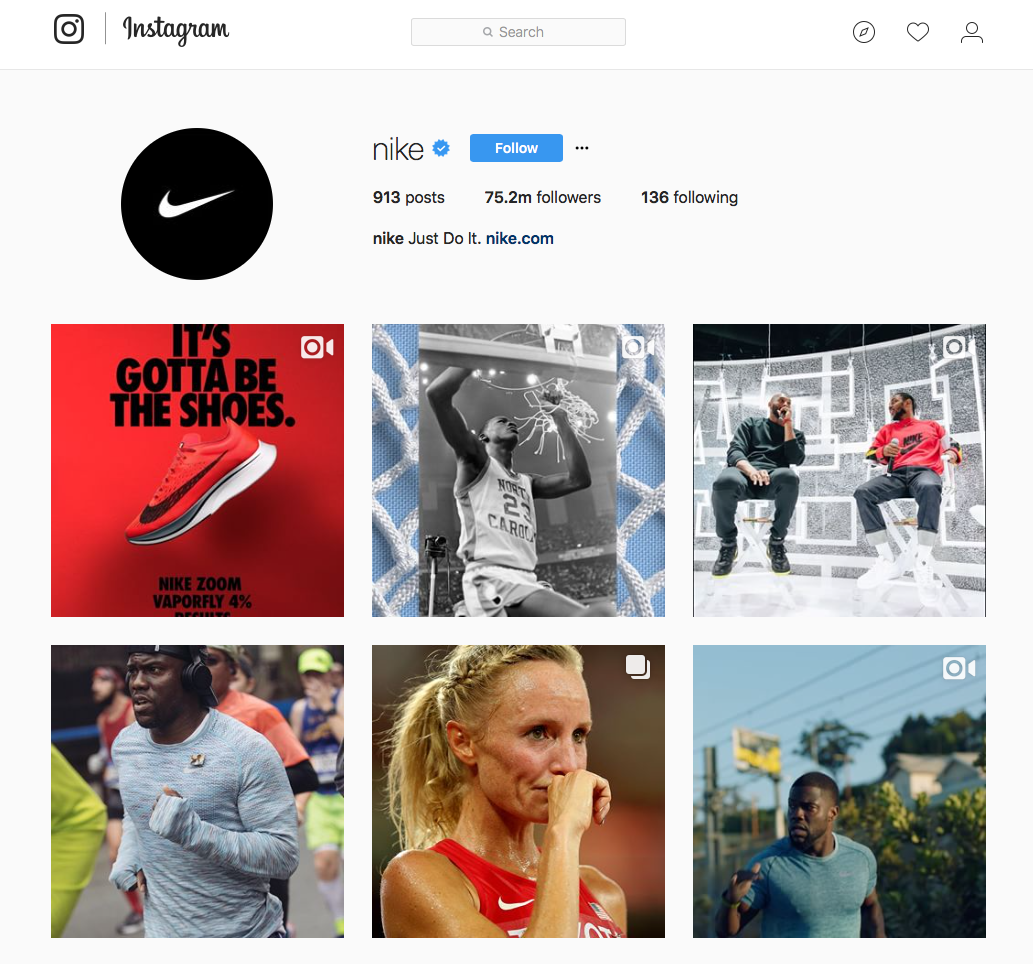
Nike is one of the clearest examples of carousel-first storytelling.
On Instagram, the brand rarely leads with product features. Instead, the first slide often delivers a bold belief or striking athlete image. The following slides place the product inside real moments — training, culture, identity. The final slide offers a subtle brand cue, not a hard sell.
What’s notable is what Nike avoids:
– No aggressive call to buy
– No technical breakdown upfront
– No long captions explaining value
The carousel gives Nike space to connect product to mindset. For Gen Z, that distinction matters. They don’t buy products in isolation. They buy belief systems. The swipe becomes part of the narrative.
Education Without Friction
Carousels excel at teaching without overwhelming.
Brands use them to explain how things work, break down processes, compare options, challenge myths, or share industry insights. Each slide contains a single idea, making complex topics feel manageable.
This approach resonates with Gen Z, who are highly informed, skeptical of advertising, and drawn to practical value. Carousels allow brands to teach first and sell second, building trust before conversion.
Why Carousels Are Built to Be Shared
Strong carousels are screenshot-friendly, save-worthy, and easy to share in DMs or Stories.
Gen Z distribution doesn’t rely on public sharing alone. Much of it happens privately, inside group chats and one-to-one messages. When a carousel delivers value, users become distributors by choice.
Where Brands Often Get Carousels Wrong
Despite their potential, many brands underperform by missing the fundamentals.
- The first slide is everything. If it doesn’t stop the scroll, the rest is irrelevant.
- Each slide should focus on one idea. Dense text kills momentum.
- Design consistency matters more than decoration.
- Every carousel needs a clear ending — a takeaway, conclusion, or next step.
Why This Format Matters for Gen Z Brands
Gen Z doesn’t engage with content that feels like advertising. They engage with content that feels intentional, human, and worth their time.
Carousels work because they respect attention. They turn marketing into interaction and value into something earned, not forced.
This isn’t a format trend. It’s a signal.
Modern Gen Z marketing isn’t about saying more. It’s about saying the right thing, in the right order, one swipe at a time.
At Foundeast, we don’t see carousels as a design choice. We see them as a mindset shift — from interruption to participation, from noise to meaning.